Portraits: A Genre Unlike Any Other
Photography of a person can be misleadingly referred to as "portrait photography." Portraits differ significantly from photographs of landscapes, streets etc., in their focused approach toward capturing the personality, mood and essence of the subject.
A portrait differs from an unposed photograph (a snapshot) because it is a collaborative process. When a photographer takes a photograph of the world "as it is", he/she is taking a snapshot.
However, when an artist/photographer uses lighting and composition to create a specific atmosphere within which to capture his/her subjects, he/she is creating an environment in which there will be a connection between the photographer's intended audience and the subjects. That connection may be made through an intimate view of the subject(s), a formalized presentation of the subject, or the placement of the subject within a meaningful environment (e.g. a chef photographed in front of a stove).
From Daguerreotype to Digital Studio: The History of the Discipline of Portraiture
The history of portraiture has been shaped by technological advancements in imaging technology that have allowed individuals to immortalize themselves quicker, less expensive and more accessible than ever before.
Early Pioneers: The Portrait Revolution
The portrait revolution began in the early 1830s with inventors such as Louis Daguerre in France and William Henry Fox Talbot in England. Early portraits, including the first American self-portrait taken by Robert Cornelius in 1839, took much time to take due to very long exposure times.
A new genre was born: the studio portrait. With advancements in lighting technology, the creation of posed photographs at home, in a studio or anywhere else became a signifier of wealth. By creating settings that were indicative of the subjects character, photographers are able to capture aspects of the personality, something still done in high end studios today.
Studio Portraits In the Late 20th Century
With the advent of digital cameras beginning with the first digital SLR (Sony Mavica) released by Sony in 1981 and later camera phone technology that has become ubiquitous, this marked a shift away from film based studio portraits.
In both of these periods, one theme was constant: documenting our pasts through preserving memories, recording identity and honoring those individuals that are important to us.
The Character of a Portrait: How Does it Differ?
Portraiture is a unique performance where the individual being photographed does not simply pose for a photograph, they participate in an act of creative collaboration. Here are three elements that are considered in creating a portrait:
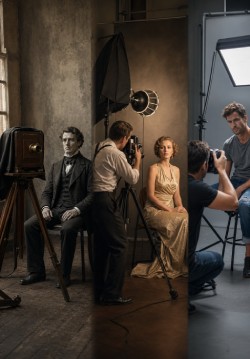
- Human Story vs. Landscape/Architecture Story: Unlike documentary photography styles such as landscape and architecture, portraiture concentrates on telling a human story. This requires portraiture to draw the viewer's eye toward unseen systems of emotion and identity.
- Performance: As well as telling a story, portraiture is also built upon performance. There is a relationship between the photographer and the subject in which they collaborate to perform an identity for the camera lens. Examples of this can be found throughout modern art institutions.
- Lighting/Mood: Similar to the traditions of Europe, portraiture uses light to metaphorically represent the inner state of the subject versus simply illuminating the camera.
Historical & Technical Foundations
Performance is the core component that has driven the development of photography over the years, through an extremely "abbreviated" history of performance. We have transitioned from the rigid confines of early chemically based photography to the extreme digital aids that characterize modern photography. These are some improved areas in modern day portraiture:
- Classical Compositional Roots: Today's photographers seek to understand the creative goals of 17th century philosophers and painters, using exactly the same story-telling logic that historians used to structure narrative histories.
- From Studios to Nomadic Studios: Just as the "Nomadic Museum" goes on tour for each installation, contemporary portraiture has moved out of fixed, physical studios to flexible, site-specific settings which allow the artist to see themselves and others in new contexts.
- Technologies: The first photographic process was developed by Louis Daguerre, and since then, technologies have dramatically changed both our interaction with images of humans and how we maintain those images into the future.
- Collaboration: Only when there is collaborative preservation among the photographer/artist, the technology (or conservator) and ultimately the viewer will the integrity of a photograph be preserved for generations to come.
The Ghosts of Our Ancestors: Flemish and European Tradition
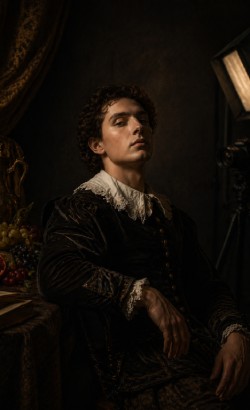
Photographers creating portraits today are the heirs of the Old Masters. Many of the techniques used today in top-of-the-line studios - particularly lighting and shadows - were developed during the Flemish and European tradition of painting.
Chiaroscurists such as Rembrandt created dramatic contrasts between light and dark not merely as a means to create visual effects but also to add depth and emotional significance to their work. While Flemish paintings focused on the details of clarity and symbolism within objects, photographers today can achieve these same ends through their use of shallow depths of focus to isolate subjects and through posing them in non-traditional poses to capture animated expressions.
French Photography and the Tradition of Style
Photography has had a long-standing relationship with France. Since the first public demonstration of photography by Louis Daguerre at the Académie des Sciences in 1839, French photographers have provided the foundation for the photographic traditions we enjoy today.
Studio Harcourt in Paris, founded in 1934, is an iconic institution within this tradition. World-renowned for their high-quality black-and-white portraits of movie stars and sports legends, they attribute their success to the use of tungsten lighting to create their own distinct style of portraiture that is as enduring as it is dramatic.
Sacha Goldberger: A Perfect Blend of Legacy and Creativity
An excellent example of how French legacy meets creative vision is the body of work created by Sacha Goldberger. Known for combining historical and fantasy elements to create unique visual narratives, Goldberger’s Flemish studies uses period costume and wigs to provide his photographs with a “museum patina” reminiscent of the chiaroscuro light used by Rembrandt.
These works demonstrate that the “imaginary museum” in our minds can become reality through the lens of a camera.
Why Portraiture Continues to Endure
Whether it was a 19th-century daguerreotype or a contemporary digital photograph, portraiture continues to be a form of artistic expression that allows artists to delve deeply into what makes humans human. As a collaborative art form that requires a level of performance from both the subject and photographer alike, it is a genre whose very existence relies upon the photographer being able to find a balance between creating an illusion of permanence and capturing the genuine emotional authenticity of a fleeting moment.
At Portrait Arts Insights, we recognize that each portrait creates a cultural record – a means to document the ideals and identities that are important to us during this point in time. Through understanding the technical achievements of past generations and the innovative spirit of the current generation of portrait photographers, we continue to identify and tell the stories that define us as humans.